Frequently asked questions
Most challenges can be set up and ready to launch within 1–2 business days. Once details are submitted, the IncentFit team handles configuration and ensures everything is ready for employees to join.
The The Preventative Care Challenge can be configured as either a team-based or individual experience, depending on your goals and the type of competition you want to create.
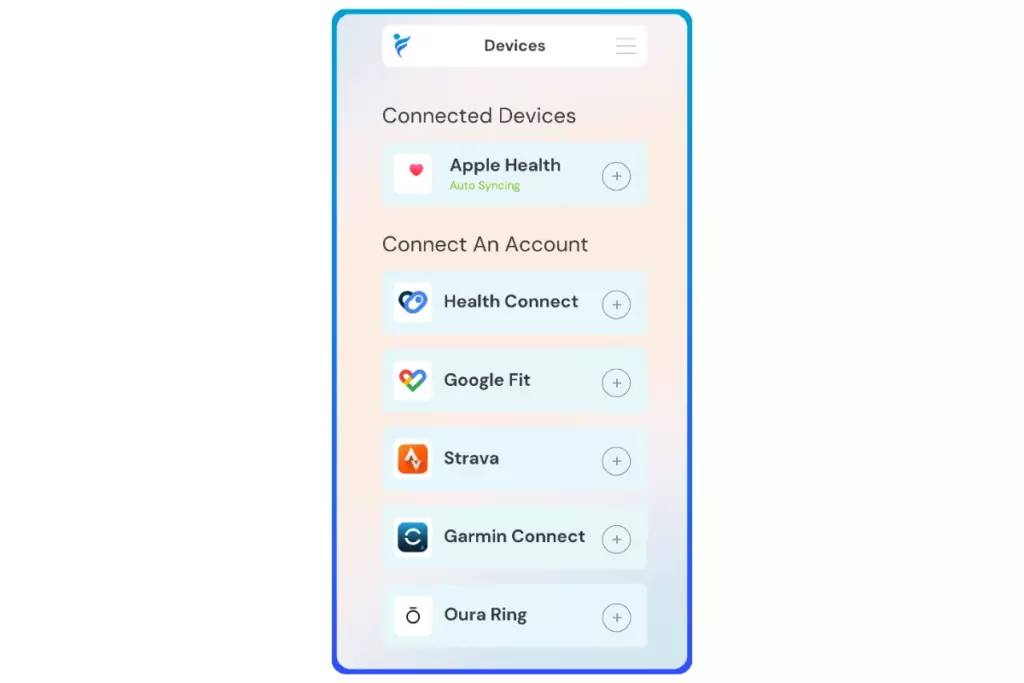
Employees can track steps through connected devices or manually log activity through the IncentFit app or web platform.
Steps can be earned through walking, running, hiking, or elliptical workouts, making it easy for employees to participate in ways that fit their routine.
Yes. Offering prizes is optional but highly recommended to increase participation. Common options include gift cards, extra PTO, company swag, or recognition for top performers.
For team challenges, performance is based on the average number of steps per participant to create a level playing field. For individual challenges, participants are ranked by total or average daily steps.
Employees can typically join within a short grace period after the challenge begins. After that, admins can work with the IncentFit team to add participants if needed.
Administrative work is minimal. Once the challenge is set up, IncentFit handles tracking, scoring, and reporting. Most admins spend very little time managing the challenge after launch.
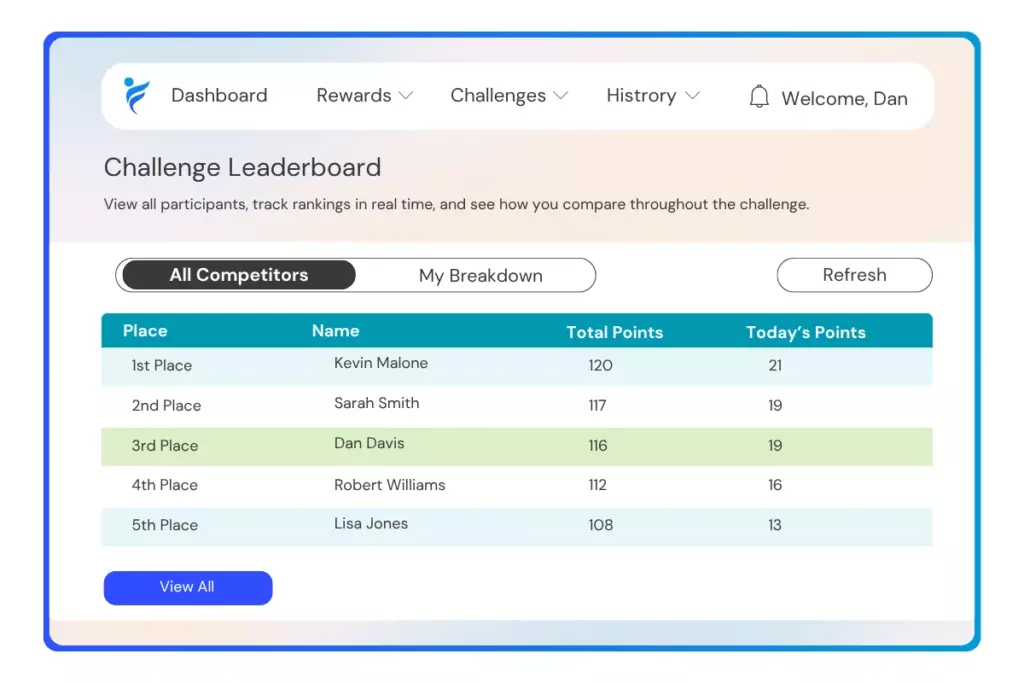
Admins have access to real-time reporting, including participation rates, step totals, leaderboard standings, and overall engagement throughout the challenge.
The The Preventative Care Challenge is ideal for organizations looking for an easy, inclusive way to increase movement, encourage participation, and create friendly competition across employees.
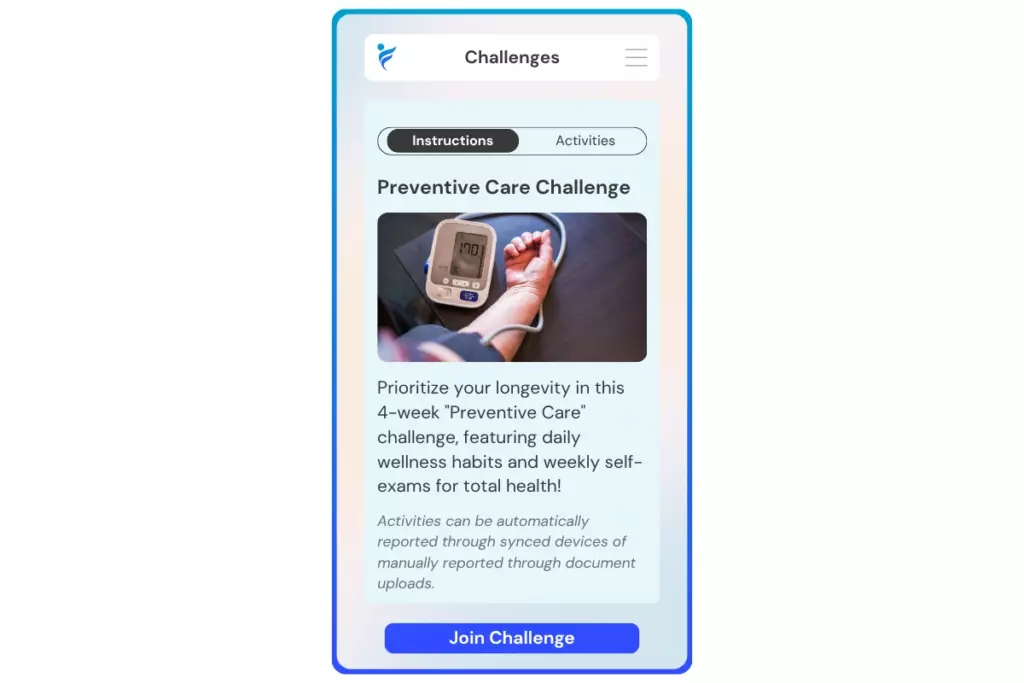
The Preventative Care Challenge is a 4-week individual wellness challenge that helps participants build proactive habits around movement, nutrition, rest, mindfulness, self-care, and preventive health awareness.
This challenge encourages participants to take small daily actions that support long-term well-being. In addition to movement and nutrition, it includes habits like getting enough sleep, meditating, avoiding alcohol, completing self-exams, and making time for personal growth or social connection.
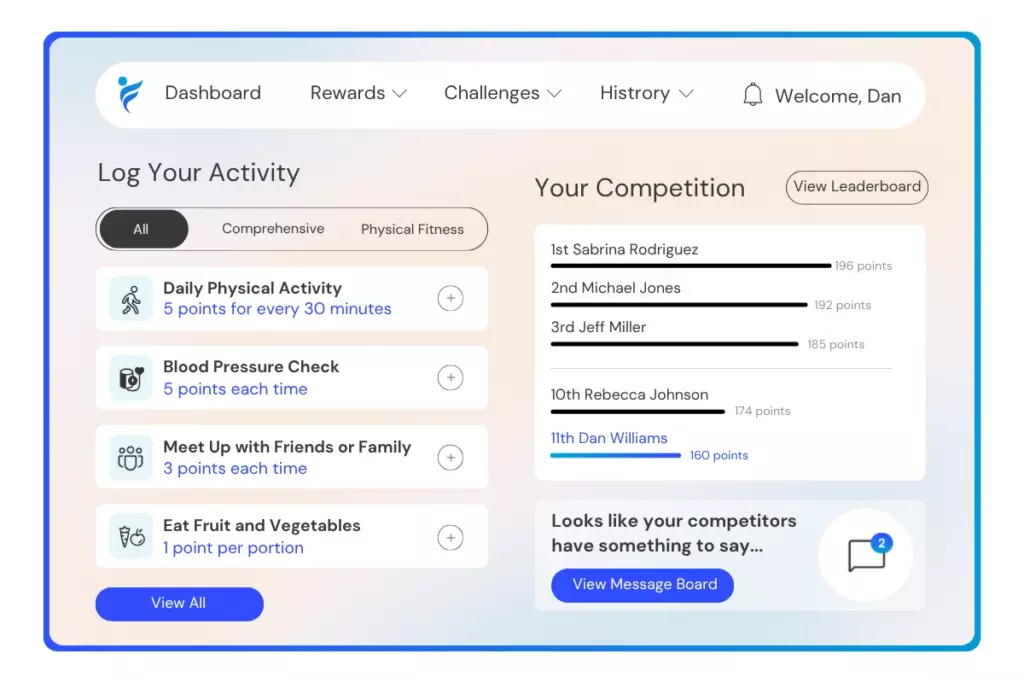
Eligible activities may include walking, running, hiking, elliptical activity, bicycling, eating fruits and vegetables, choosing lean protein, meditating, getting enough sleep, avoiding alcohol, completing self-exams, and engaging in personal development or social connection.
Preventive wellness is about building routines that help participants stay proactive about their health. This challenge supports that by encouraging everyday habits tied to movement, balanced nutrition, recovery, mindfulness, and self-care.
This challenge is focused on daily wellness and preventive awareness activities, not formal appointment verification. Participants can earn points through eligible habits such as self-exams, healthy eating, movement, rest, and mindfulness.
Movement-based activities can be tracked through synced fitness devices or manual entry. Habit-based activities, such as nutrition choices, meditation, sleep, avoiding alcohol, self-exams, personal development, and social connection, are typically logged manually.
The Preventative Care Challenge is an individual challenge. Participants work toward their own total point count, with progress reflected on an individual leaderboard.
Yes. The challenge includes a wide range of eligible activities so participants can focus on the proactive wellness habits that feel most realistic and relevant to them.
Yes. This challenge is a strong fit for disease prevention and management campaigns because it encourages practical habits tied to long-term well-being, including movement, nutrition, sleep, mindfulness, self-care, and preventive health awareness.
This challenge is a strong fit for organizations that want to encourage proactive health habits in an approachable way. It works especially well for groups focused on preventive wellness, self-care, movement, nutrition, sleep, mindfulness, and long-term well-being.
