
25 Winter Employee Wellness Challenge Ideas to Motivate Your Team
Winter can be one of the most difficult seasons for employee energy, engagement, and healthy routines. Shorter days, colder weather, and packed schedules make it harder for employees to stay active, connected, and focused on well-being – exactly when illness, burnout, and stress tend to spike.
For HR leaders, this creates an opportunity. Well-designed winter employee wellness challenges give employees structure, momentum, and motivation during the months when healthy habits are hardest to maintain. Even simple seasonal programming can improve participation, boost morale, and reinforce a culture of care without adding administrative burden.
Below are 25 winter employee wellness challenge ideas, organized by theme, to help HR teams build practical, engaging programs that employees actually use.
Table of Contents
- Why Winter Is a Critical Time for Employee Wellness
- How to Use These Winter Employee Wellness Challenge Ideas
- Movement and Activity Challenges
- Food, Hydration and Nutrition Challenges
- Connection, Culture and Team-Building Challenges
- Healthy Habits and Prevention Challenges
- Mental Health and Seasonal Well-Being
- Next Steps: Turning Ideas into a Winter Wellness Plan
- FAQs: 25 Winter Employee Wellness Challenge Ideas to Motivate Your Team

Why Winter Is a Critical Time for Employee Wellness
Winter brings a unique mix of physical, mental, and behavioral challenges. Cold and flu season peaks, daylight hours shrink, and motivation often dips after the initial energy of the new year fades. Employees may move less, snack more, disengage socially, or struggle with mood and focus.
This is where seasonal wellness challenges become especially effective. Rather than expecting employees to self-motivate, challenges introduce light structure, social accountability, and positive reinforcement. For HR teams, winter programming can stabilize engagement levels and prevent the “seasonal drop-off” many wellness programs experience.
How to Use These Winter Employee Wellness Challenge Ideas
Not every idea needs to stand alone. The most successful winter wellness programs group a few complementary initiatives into a single, easy-to-understand challenge.
When planning, consider:
- Selecting 3-5 activities across movement, nutrition, and mental well-being
- Designing a 4-8 week challenge that runs January through March
- Offering simple incentives to reinforce participation
Using tools that minimize manual tracking wherever possible
The sections below provide ideas that can be mixed, matched, and scaled based on workforce size, work environment, and available resources.
Movement and Activity Challenges
Staying active is harder in winter, especially when outdoor exercise feels unappealing. Movement-based challenges should focus on accessibility, flexibility, and consistency, rather than intensity.
- Step Challenge with a Seasonal Theme
- The “10-Minute Movement” Daily Challenge
- Standing and Stretch Break Challenge
- Indoor “Winter Warmer” Group Workouts
- Yoga or Mindful Movement Series
- Gym Visit or Class Attendance Challenge
- Walking Meetings Initiative
Step Challenge with a Seasonal Theme
A classic step challenge becomes more engaging when paired with a shared story. Consider a collective goal such as “walking from headquarters to a warm destination.” Teams contribute steps toward the same total, reinforcing collaboration rather than competition.
The “10-Minute Movement” Daily Challenge
Short bursts of movement feel achievable even on busy days. Encourage employees to log 10 minutes of activity – walking, stretching, bodyweight exercises, or yoga – on workdays throughout the challenge period.
Standing and Stretch Break Challenge
Prolonged sitting increases fatigue and discomfort. This challenge encourages hourly stretch or stand breaks, reinforced through calendar reminders or wellness platform prompts.
Indoor “Winter Warmer” Group Workouts
Brief group workouts (15-20 minutes) help employees stay active without leaving the building or logging into lengthy classes. These sessions can be virtual or in person and scheduled at consistent times to build routine.
Yoga or Mindful Movement Series
Mindful movement challenges emphasize flexibility, breathing, and stress reduction. Participation can be tracked by session attendance rather than performance metrics.
Gym Visit or Class Attendance Challenge
This challenge works well when paired with fitness reimbursements or gym stipends. Employees earn credit for verified visits, making consistency more important than intensity.
Walking Meetings Initiative
Encourage employees to take phone or video meetings while walking. Track participation weekly and spotlight teams adopting the practice consistently.
Food, Hydration and Nutrition Challenges
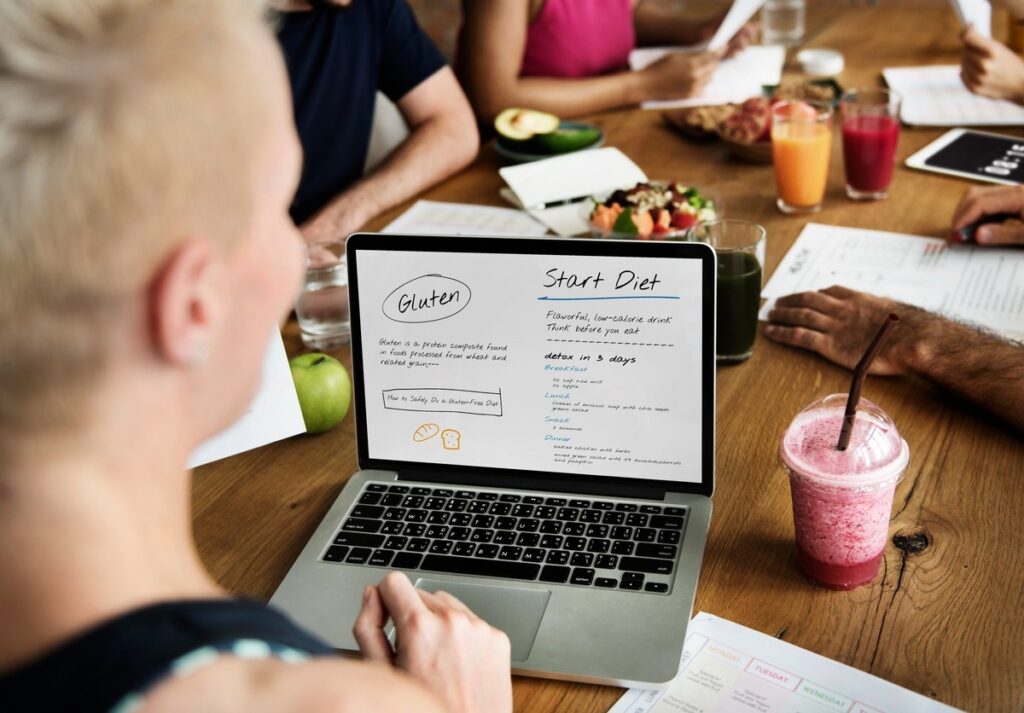
Winter cravings tend to lean toward sugar and heavy comfort foods. Nutrition challenges work best when framed around small, realistic changes, not rigid rules.
- Healthy Snack Swap Challenge
- Hydration Challenge
- Seasonal Produce Challenge
- Healthy Potluck or Recipe Exchange
- “Swap One Thing” Weekly Focus
Healthy Snack Swap Challenge
This initiative encourages replacing high-sugar snacks with protein- or fiber-rich options. Employees can log swaps or share photos and suggestions within internal channels.
Hydration Challenge
Cold air reduces thirst cues, increasing dehydration. A hydration challenge – supported by branded water bottles or reminders – helps reinforce daily water intake.
Seasonal Produce Challenge
Highlight winter-friendly fruits and vegetables such as citrus, squash, carrots, and leafy greens. Participants can log servings or share meal inspiration.
Healthy Potluck or Recipe Exchange
Recipe sharing creates social engagement while encouraging healthier meals. This works especially well in remote environments using shared documents or chat threads.
“Swap One Thing” Weekly Focus
Instead of overhauling diets, spotlight one small nutrition change per week. These micro-habits feel achievable and help employees build momentum.
Connection, Culture and Team-Building Challenges
Social connection often declines during winter, particularly for remote or hybrid teams. These challenges strengthen culture while supporting emotional well-being.
- Wellness Newsletter or Spotlight Series
- Declutter and Reset Day
- Seasonal Social Events
- Outdoor Group Activities
- Recognition and Appreciation Challenge
Wellness Newsletter or Spotlight Series
Regular wellness communications keep initiatives visible. Featuring employee stories or participation highlights reinforces inclusion and engagement.
Declutter and Reset Day
Encouraging employees to organize their workspace can improve focus and reduce stress. This challenge is quick, practical, and widely accessible.
Seasonal Social Events
Winter-themed events – virtual trivia, cocoa breaks, or in-office socials – can include light wellness elements like stretching or gratitude exercises.
Outdoor Group Activities
Where climate allows, optional outdoor outings such as winter walks or skating offer physical and social benefits simultaneously.
Recognition and Appreciation Challenge
Encouraging peer recognition supports morale and belonging. Tracking messages sent or acknowledgments shared reinforces positive culture behaviors.

Healthy Habits and Prevention Challenges
Winter is peak illness season. Prevention-focused challenges support both individual health and organizational productivity due to absenteeism.
- Flu and Immunization Awareness Campaign
- Workspace Hygiene Initiative
- Supportive Sick-Leave Messaging
- Healthy Morning Routine Challenge
Flu and Immunization Awareness Campaign
Educational challenges increase awareness without mandates. Short learning modules or webinars can count toward participation goals.
Workspace Hygiene Initiative
This challenge focuses on cleaning high-touch surfaces and reinforcing hygiene habits across the workplace.
Supportive Sick-Leave Messaging
Normalizing rest and recovery reduces presenteeism. Reinforce policies and highlight leadership modeling healthy behavior.
Healthy Morning Routine Challenge
Encouraging a strong start – such as protein-rich breakfasts or morning movement – can positively influence energy levels throughout the day.
Mental Health and Seasonal Well-Being
Mental well-being deserves intentional focus during winter months, when stress and seasonal affective symptoms are more common.
- Mindfulness or Meditation Minutes Challenge
- Daylight and Light Exposure Challenge
- Self-Care Bingo or Checklist
- Promote Mental Health Resources
Mindfulness or Meditation Minutes Challenge
Tracking mindfulness minutes promotes stress management without requiring major time commitments.
Daylight and Light Exposure Challenge
Encouraging brief outdoor breaks or workspace light optimization helps combat winter fatigue and mood decline.
Self-Care Bingo or Checklist
Bingo-style challenges make self-care approachable and flexible, allowing employees to choose activities that fit their preferences.
Promote Mental Health Resources
Winter is an ideal time to highlight EAPs, therapy benefits, and support tools. Education reduces stigma and encourages early intervention.
Next Steps: Turning Ideas into a Winter Wellness Program
To turn ideas into action:
- Select a seasonal theme (movement, reset, resilience)
- Bundle complementary challenges into a single campaign
- Use automated tracking wherever possible
- Offer meaningful but simple incentives
- Measure participation and engagement to inform future planning
A thoughtful winter wellness strategy doesn’t need to be complicated. When challenges are accessible, well-timed, and clearly communicated, employees are far more likely to participate – and carry those habits beyond the season.
Ready to Turn These Ideas Into a Winter Wellness Challenge?
Seasonal wellness ideas work best when they’re easy to launch, simple to manage, and engaging for employees. With the right structure, incentives, and tracking tools, winter challenges can drive real participation without adding work to HR’s plate.
Explore how IncentFit helps HR teams launch and manage employee wellness challenges – tracking participation automatically, rewarding healthy habits, and keeping programs running smoothly all winter long.
Learn more about IncentFit Challenges by scheduling a demo with one of our Benefits Specialists.
FAQs: 25 Winter Employee Wellness Challenge Ideas to Motivate Your Team
Q: Why are winter employee wellness challenges important?
Winter is a common drop-off point for employee engagement, physical activity, and mental well-being. Seasonal challenges provide structure and motivation during colder, darker months when healthy habits are harder to maintain. For employers, well-timed winter wellness initiatives can help reduce absenteeism, boost morale, and sustain engagement through the first quarter.
Q: What types of wellness challenges work best during winter?
The most effective winter employee wellness challenges focus on accessibility and consistency rather than intensity. Step challenges, short daily movement goals, hydration tracking, mindfulness minutes, and team-based challenges tend to perform well because they fit easily into busy schedules and varied work environments.
Q: How long should a winter wellness challenge run?
Most HR teams see strong participation with challenges lasting 4 to 8 weeks, typically between January and March. Shorter programs maintain momentum without overwhelming employees, while longer challenges work best when broken into weekly milestones or themed phases.
Q: Can remote and hybrid employees participate in winter wellness challenges?
Yes. Many winter wellness challenges – such as step tracking, meditation, hydration, and habit-based activities – are ideal for remote and hybrid teams. Digital tracking tools and flexible activity options ensure equitable participation regardless of location or work schedule.
Q: Do wellness challenges need incentives to be successful?
While intrinsic motivation plays a role, incentives significantly increase participation and completion rates. Even small rewards – such as gift cards, wellness credits, or entries into raffles – can reinforce healthy behaviors and encourage consistent involvement throughout the challenge period.
Q: How can HR teams track participation without creating extra work?
Successful programs rely on automation. Wellness platforms that integrate with wearables, fitness apps, and self-reporting tools allow HR teams to track participation and outcomes without manual verification or spreadsheet management.
Q: How do winter wellness challenges support long-term engagement?
Winter challenges help employees build small, repeatable habits at a time when motivation tends to be low. When designed well, these programs create momentum that carries into spring and supports broader wellness goals throughout the year.
